Fashion Cross-Selling: How Visual Complete-Look Content Drives Higher Conversions
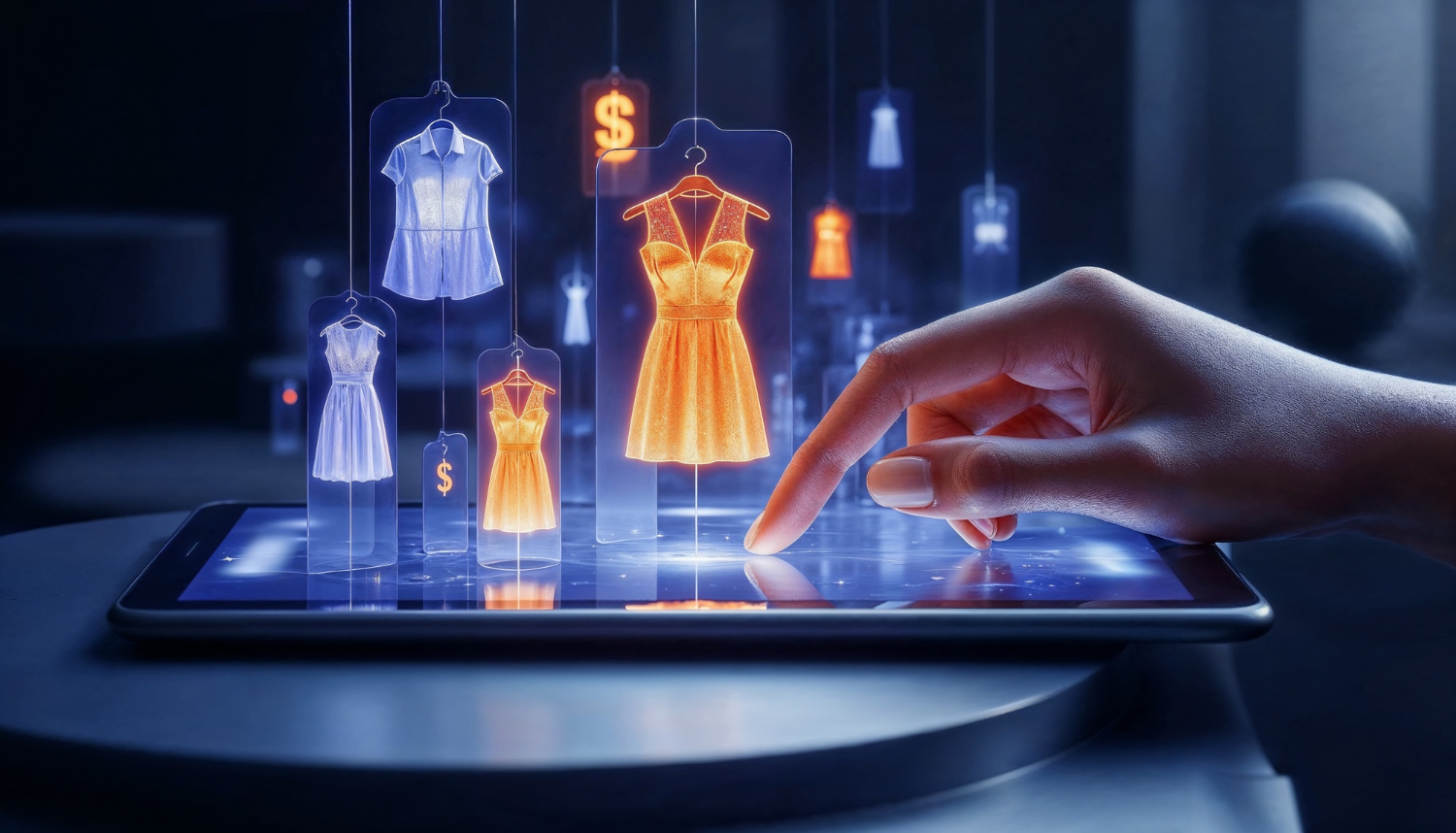
In today’s competitive fashion e-commerce landscape, consumers expect more than product photos and basic descriptions. They look for styling inspiration, relevant recommendations, and a seamless shopping experience that feels curated. This is where fashion cross-selling—when powered by strong visual complete-look content—becomes one of the most effective growth levers for online retailers.
Cross-selling has always existed in traditional retail. Stylists pair a jacket with the right shirt or suggest accessories that elevate an outfit. E-commerce, however, has historically struggled to replicate that real-world styling experience. Today, brands can bridge this gap through curated visuals, intelligent recommendations, and complete-look presentations that guide customers toward confident, higher-value purchases.
In this article, we break down what fashion cross-selling is, why visual styling content matters, and how brands can implement it to increase conversion rates, average order value (AOV), and customer satisfaction.
What Is Fashion Cross-Selling?
Fashion cross-selling is the strategic practice of recommending complementary products that pair naturally with the item a customer is viewing or purchasing. Examples include suggesting matching tops when a customer views a pair of jeans, displaying bags or accessories that complete a dress, and recommending shoes that align with the overall outfit aesthetic.
The goal is not only to increase revenue per transaction, but to help customers visualize a cohesive, polished look—something fashion shoppers value highly. Cross-selling performs best when it feels natural, relevant, and personalized. This is why visual context plays such a critical role.
Why Visual Complete-Look Content Is the New Standard
Static product images are no longer enough. Fashion customers rely heavily on visual cues when making purchase decisions. Showing an item as part of a complete look—paired with the right shoes, bag, jacket, and accessories—significantly increases buying confidence.
1. Visuals Reduce Decision Fatigue: Consumers face an overwhelming number of choices. A complete-look visual instantly answers key questions: how do I style this item, what pieces work well together, and will this outfit look cohesive overall? By reducing cognitive load, brands enable faster and more confident purchasing decisions.
2. Complete Looks Increase Cross-Sell Conversion Rates: When customers see how products work together, they are far more likely to add multiple items to their cart. Brands that use complete-look visuals often experience increased AOV, higher attachment rates for accessories and secondary products, and better discovery of items.
3. Better Visuals Build Brand Trust: High-quality styling communicates professionalism and taste. When your store presents thoughtfully curated outfits, you deliver an experience similar to that of a personal stylist—building trust and strengthening brand identity.
The Marketing Power of “Shop the Look” and Complete Outfit Pages
Many leading fashion e-commerce brands use features such as Shop the Look, Complete the Outfit, or Styled With. These experiences allow customers to browse outfits instead of isolated products, add multiple coordinated items to their cart seamlessly, and discover styling ideas based on trends, seasons, or occasions.
This approach performs particularly well for streetwear sets, office and formal wear, occasion outfits (events, parties, weddings), seasonal collections, and trend-driven or influencer-inspired looks. Complete-look visuals are no longer a differentiator—they are quickly becoming an industry standard.
How to Implement an Effective Cross-Selling and Complete-Look Strategy
1. Define Clear Styling Rules: Establish internal guidelines for which items pair well together, based on color harmony, fit and silhouette, fabric and texture, seasonality, and occasion and use case. These rules ensure consistency and prevent irrelevant recommendations.
2. Leverage Recommendation Logic: Data-driven recommendation models can identify products frequently bought together, high-performing outfit combinations, and cross-category styling patterns. This allows cross-selling to scale while remaining relevant and personalized.
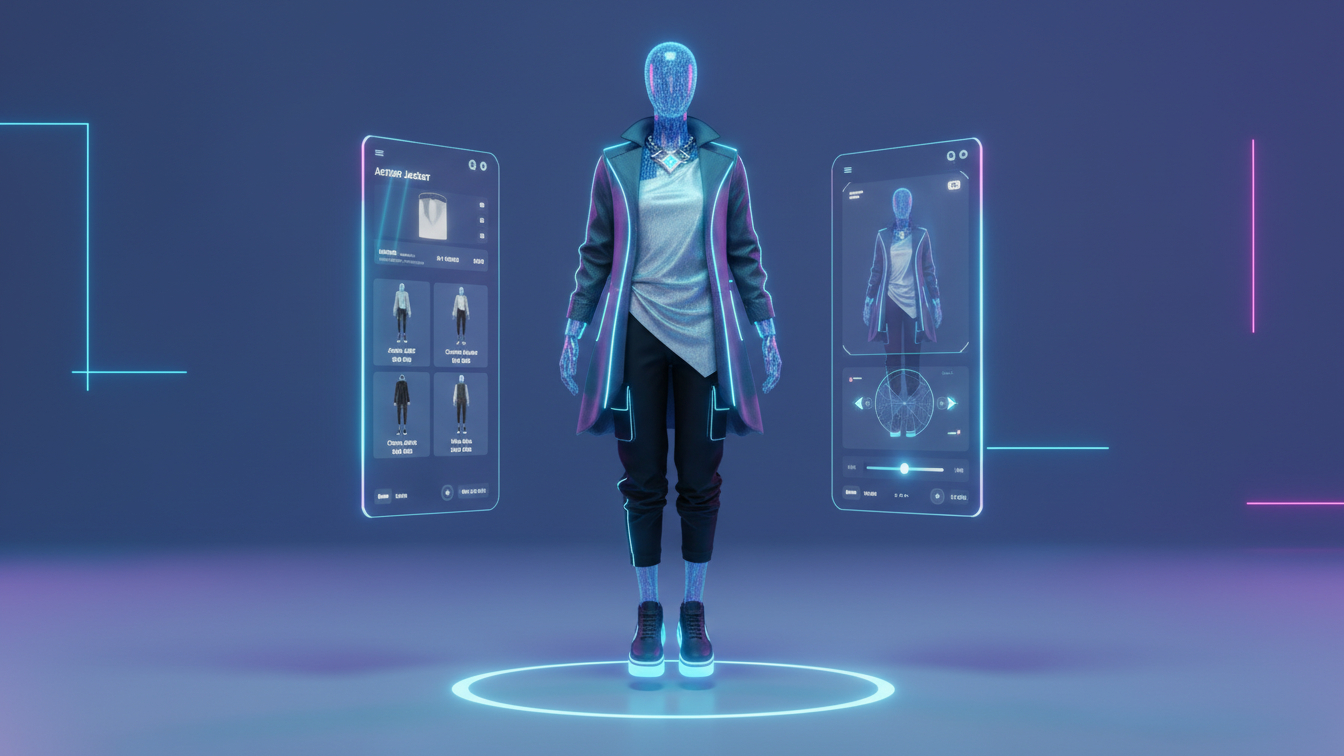
3. Invest in High-Quality Complete-Look Visuals: Brands can showcase outfits using professional model photography, flat-lay outfit compositions, mannequin-based styling, or digital or AI-assisted lookbook visuals. Regardless of the format, visual quality is critical to driving engagement and conversions.
4. Embed Visual Cross-Sells Throughout the Shopping Journey: Integrate visual recommendations into product detail pages, category pages, lookbooks and editorial content, and cart and checkout experiences. Always prioritize visual presentation over text-only product suggestions.
The Business Impact: Why This Matters More Than Ever
Retailers that sell complete looks instead of individual items consistently outperform those who do not. The benefits include higher revenue per customer session, improved customer satisfaction by solving the “how do I style this?” problem, lower return rates due to better expectation-setting, and stronger brand differentiation in a crowded market.
As customer acquisition costs continue to rise, maximizing the value of each visit is critical. Visual cross-selling remains one of the highest-ROI strategies available to fashion brands.
Conclusion: Fashion E-commerce Succeeds When It Sells the Look, Not Just the Product
Fashion shoppers think in outfits, not in individual SKUs. Brands that embrace cross-selling supported by compelling visual storytelling create a more inspiring, efficient, and profitable shopping experience.
By investing in curated looks, intelligent recommendations, and strong visual merchandising, fashion retailers can increase conversions, boost AOV, and build lasting customer trust.
In modern fashion e-commerce, complete-look content is no longer optional. It is the new standard.